the evolution of the
automotive pop-up.
Around a decade ago, automotive brands began experimenting with retail spaces in shopping centres and high-footfall destinations, challenging the idea that consumers needed to visit a dealership to discover a new car. The thinking was simple. If people weren't coming to the brands, the brands needed to go to them.
And it worked. Suddenly, automotive brands were reaching audiences far beyond the traditional dealership, connecting with people going about their everyday lives, many of whom weren't actively considering buying a car. It was a significant shift. But it was only the beginning... From showroom spaces to experiences that connect - There was a time when the automotive pop-up was little more than a showroom in disguise.
From being seen to being remembered.
The first generation of automotive pop-ups was largely about presence. Put a car in a busy retail environment, add a knowledgeable product specialist, generate some leads. Job done.
For a while, the novelty was enough. Seeing a car parked alongside fashion retailers and coffee shops naturally sparked curiosity.
But as more brands embraced the format, simply showing up wasn't enough anymore. Being seen and being remembered are two very different things.
Brands needed to give people a reason to stop, explore and spend time with them. And that meant thinking beyond the vehicle itself.
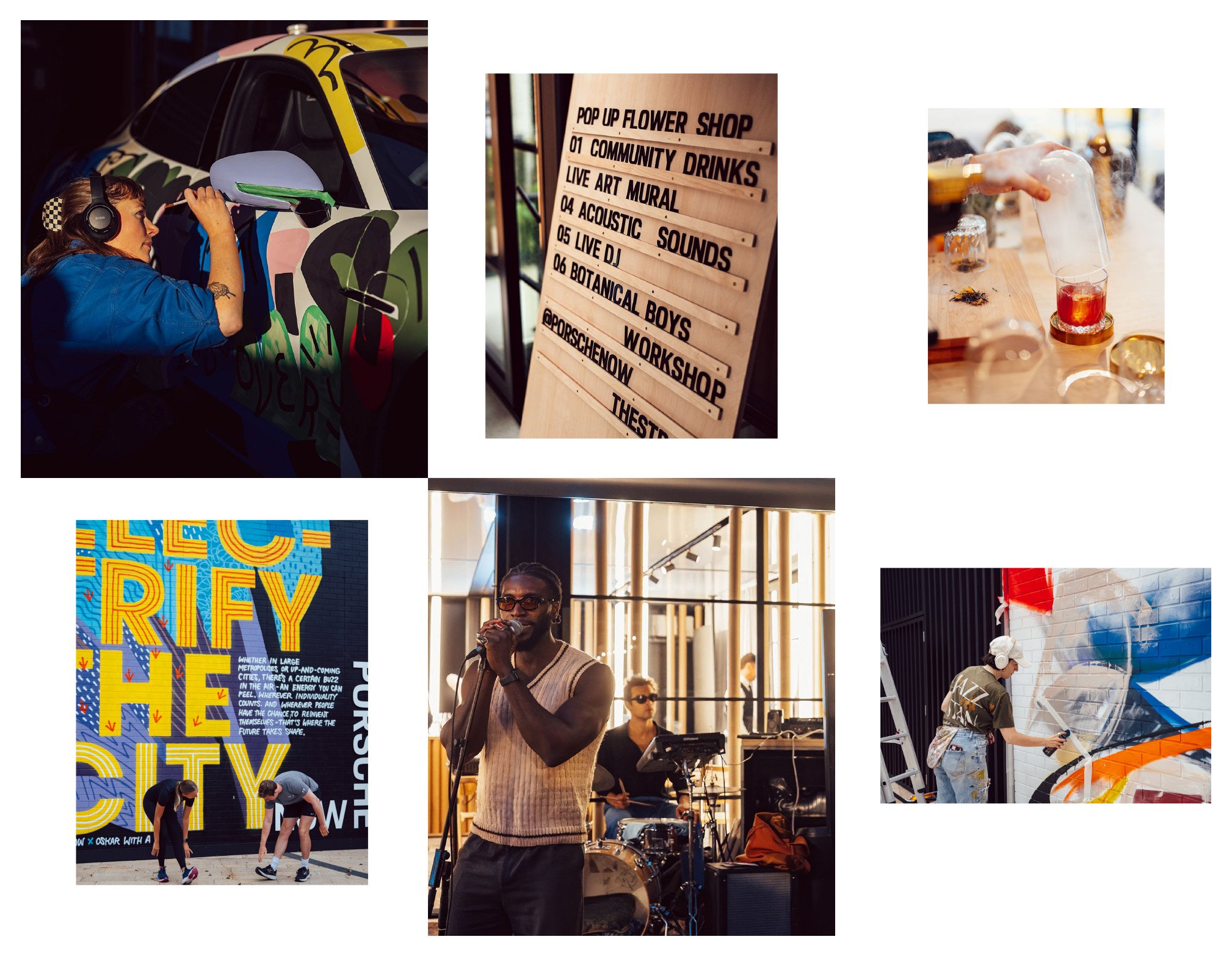
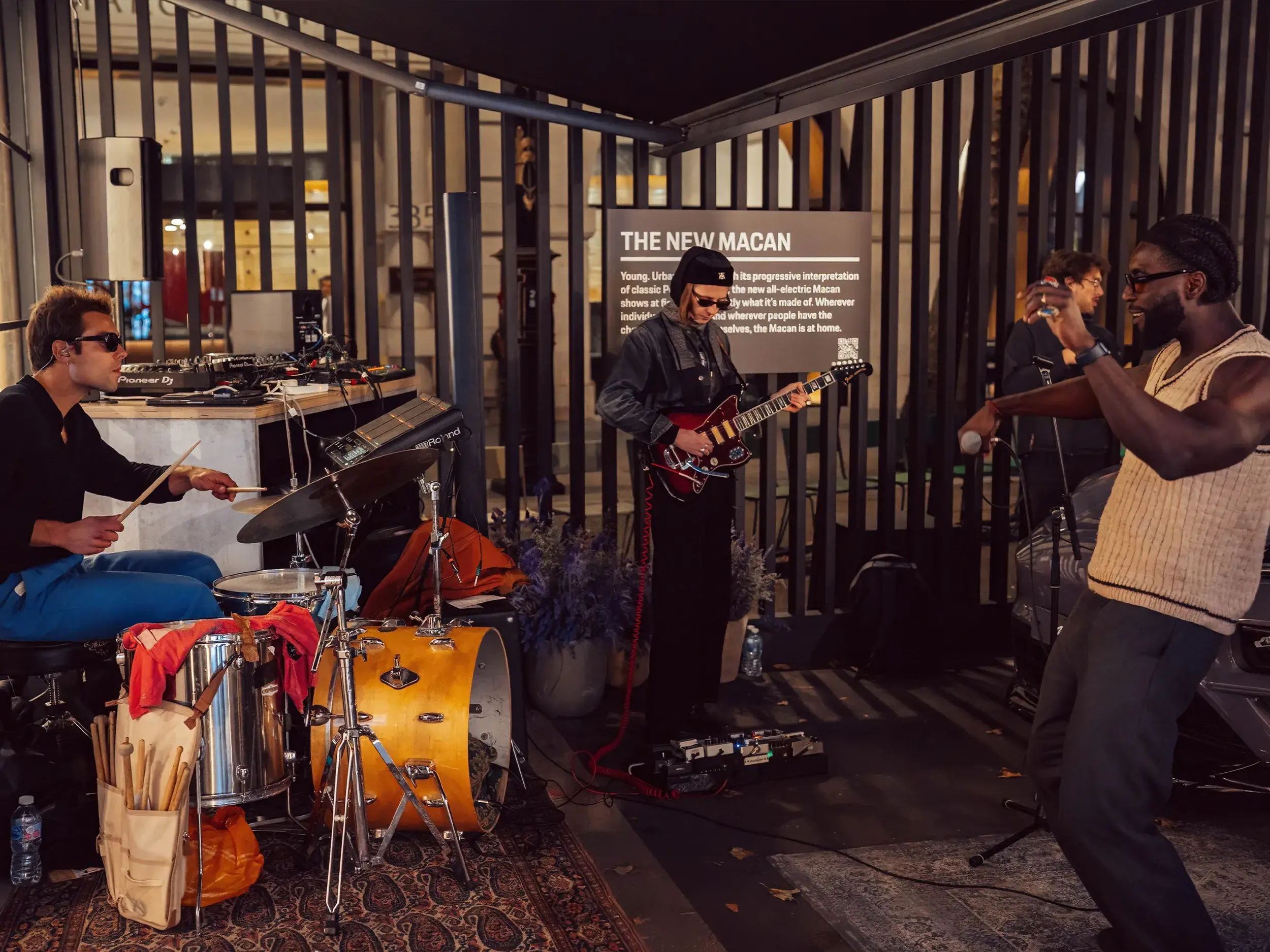
The focus began shifting from showcasing products to creating experiences. Experiences built around people's interests, passions and the things they genuinely enjoy doing. The most interesting automotive pop-ups stopped feeling like temporary dealerships and started becoming destinations in their own right.
Spaces where people could discover something new, enjoy an event, explore an interest or simply spend time. The car was still important, of course. But it no longer needed to do all the hard work.
connecting through culture.
Over the last decade, we've seen automotive brands embrace everything from music, art and design to food, fashion, innovation and wellbeing. Not because these things necessarily sell cars, but because they create opportunities for brands to connect with people in a more meaningful way. And that's an important distinction. Traditionally, automotive pop-ups were focused on generating leads and driving sales. While those commercial objectives still matter, there's now a much greater appreciation for the value of brand familiarity, affinity and long-term relationships.
It's no longer just about who's ready to buy a car today. It's about building a connection with the people who might consider your brand tomorrow. And increasingly, that means showing up in places where audiences already want to be. Rather than expecting people to step into a branded environment, brands are finding ways to become part of existing communities, destinations and cultural moments. Whether that's through hospitality, fashion, music, art or local businesses, the opportunity is to create something that feels like a natural fit.
Less about interrupting someone's day. More about adding something to it. And this is where collaboration can be far more powerful than simply creating a bigger, more elaborate space. Working with independent businesses, local creatives, cultural partners and communities can give an activation a sense of authenticity that's difficult to achieve through branding alone. It's a shift from simply occupying a space to contributing something valuable to it.
It’s whats in the space that matters most...
For years, the scale of an experiential activation was often part of its appeal. Bigger footprints, impressive builds and elaborate production. But a great experience isn't necessarily defined by its size or budget. It's defined by what people take away from it. The conversation they had. The workshop they joined. The unexpected discovery. The atmosphere. The moment they shared with someone else. These are the things that turn a passing interaction into a memorable brand experience. Because while the car might be what initially catches someone's attention, it's often everything happening around it that makes them stay. And ultimately, that's what experiential marketing does best. It gives people an opportunity to connect with a brand in a way that feels natural, engaging and genuinely worthwhile.
the future isn't just about retail, it's about relevance.
The automotive pop-up has come a long way from simply placing a vehicle in a shopping centre.
Today, the opportunity is much bigger.
It's about understanding your audience, finding the right environments and creating experiences that give people a genuine reason to engage.
The brands that get this right won't necessarily be the ones with the biggest spaces or the most locations. They'll be the ones that create meaningful connections and give people something worth remembering.
Ten years ago, getting closer to the customer was enough.
Today, you need to give them a reason to stop. And, more importantly, a reason to come back.
Lets make a moment together... hy@wearehyphen.co.uk